



Type: NATO bracelet
NATO watch strap - dark blue

Type: Watchmaker's tool
Double folding clasps for leather straps, stainless steel polished

Type: Watchmaker's tool
Mesh strap with tang buckle

Type: Watchmaker's tool
KronoKeeper brushed buckle

Type: Rubber Bracelet
KronoKeeper watch strap - Felix Black
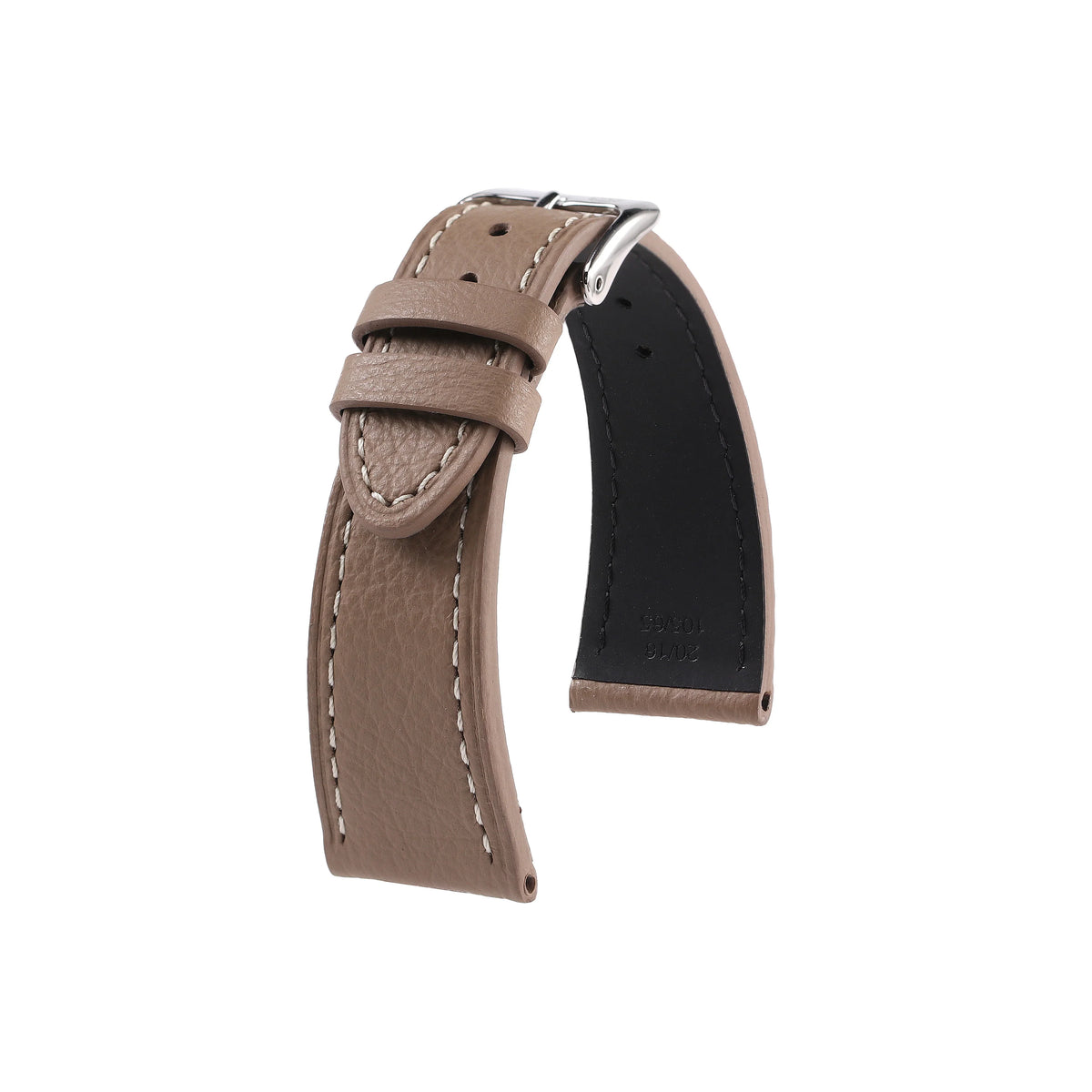
Type: Bracelet
KronoKeeper Watch Strap - Marcel Taupe


Type: Rubber Bracelet
KronoKeeper Tropic strap Black

Type: Bracelet
KronoKeeper Strap - Ernest black
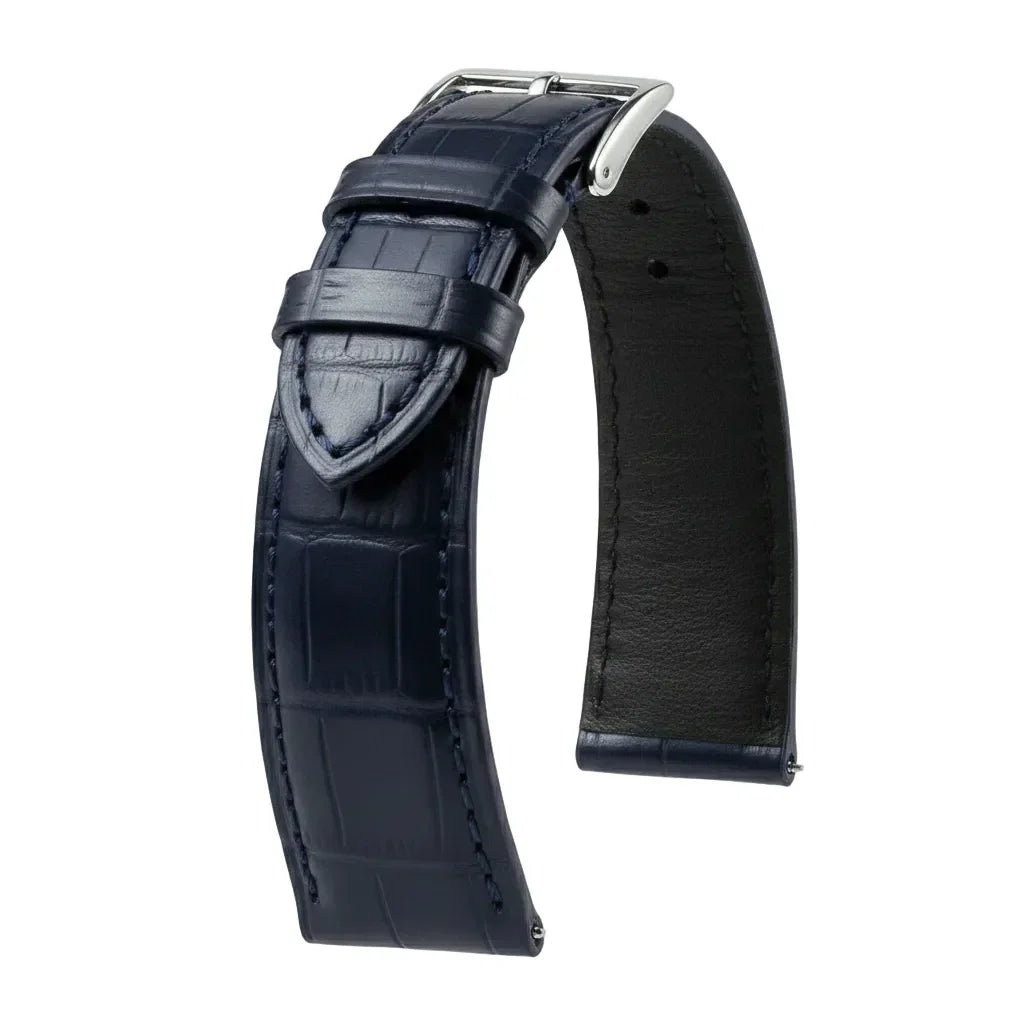
Type: Alligator Strap
KronoKeeper watch strap - Felix Blue
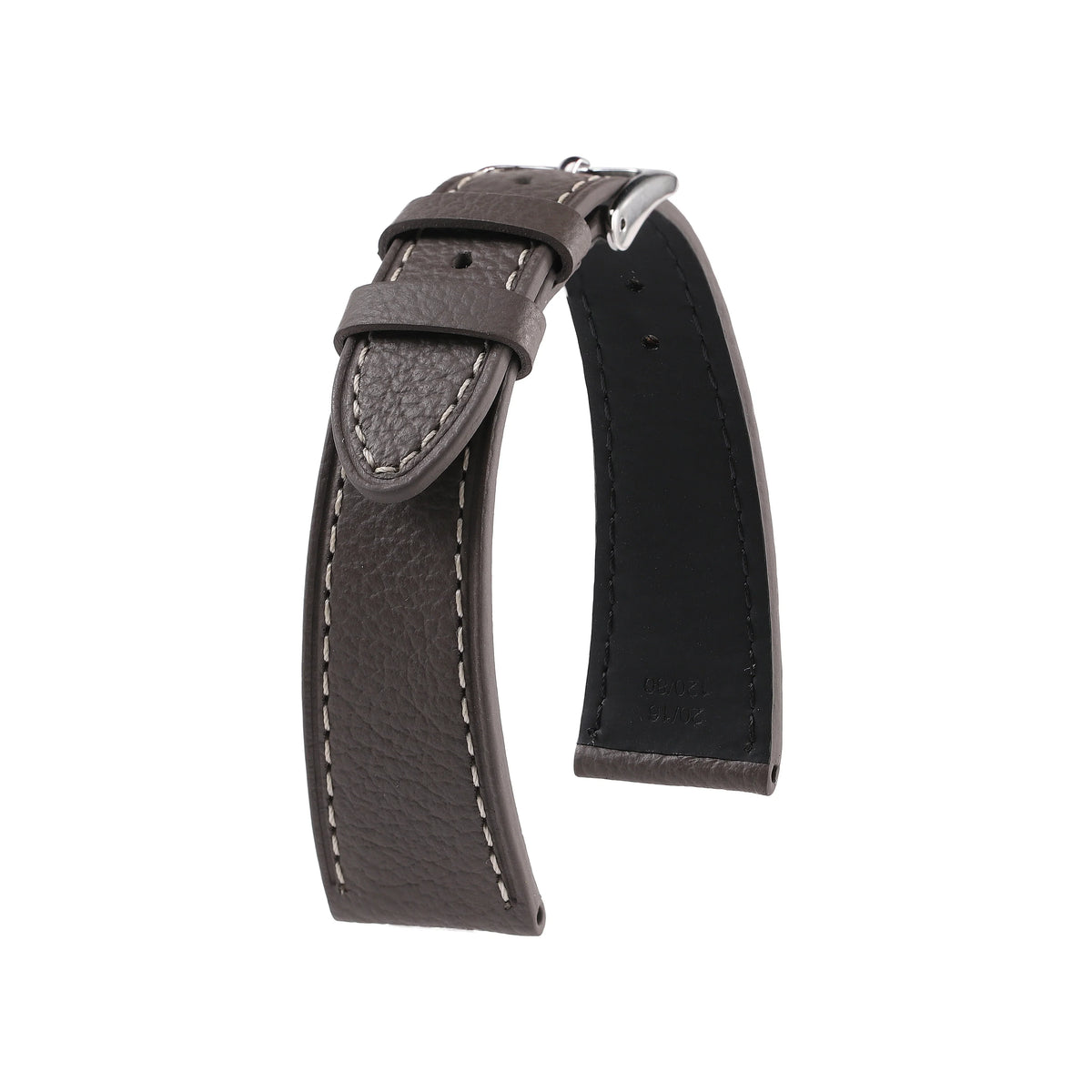
Type: Bracelet
KronoKeeper Watch Strap - Marcel Gunmetal Grey

20 mm Watch Straps
All our straps with a 20 mm lug width, in all materials. This is one of the most common lug widths, used by many divers' watches and chronographs.
Check that your watch is 20 mm
The lug width is the space between the two lugs of the case, where the strap is attached. Measure it with a caliper, or check the width often marked on the back of your current strap. The guide How to measure a watch strap size explains the method in detail.
20 mm Watches
- Rolex: Submariner 40 mm (aluminum bezel), Submariner 40 mm (ceramic bezel), GMT-Master I, GMT-Master II, GMT-Master II ceramic, Daytona on Oyster bracelet, Daytona ceramic steel, Daytona on leather; the others are on the Straps for Rolex page.
- Tudor: Black Bay 58, Black Bay Pro 79470, Ranger 39 mm.
- Omega: Seamaster 300, MoonSwatch and Speedmaster Moonwatch.
- IWC: Pilot Chronograph 41 mm (20 mm lug width).
20-18 mm or 20-16 mm: the buckle-end width
The second figure is the width of the strap at the buckle: the smaller it is, the more the strap tapers towards the clasp. In 20 mm, we offer 20-18 mm and 20-16 mm. If you are reusing your buckle, keep the second figure of your current strap.
By material
In 20 mm, you have the choice between alligator, calfskin, vintage calfskin, rubber, combined rubber, NATO, ostrich, cordovan, embossed calfskin, textile, metal, Alcantara, patinated leather and salmon leather: each material has its own page.
Frequently Asked Questions
What does 20-18 mm mean? 20 mm between the watch lugs, 18 mm at the buckle.
Will a 20 mm strap fit a 19 or 21 mm lug width? No. On 19 mm, it will be tight and deform; on 21 mm, it will leave a gap on each side. Take the exact width: 19 mm or 21 mm.
Do I need to change the spring bars with the strap? Yes if they are bent or if their ends no longer protrude clearly. The replacement spring bars are chosen by the lug width; the guide Spring bars and pins explains which ones to take.